
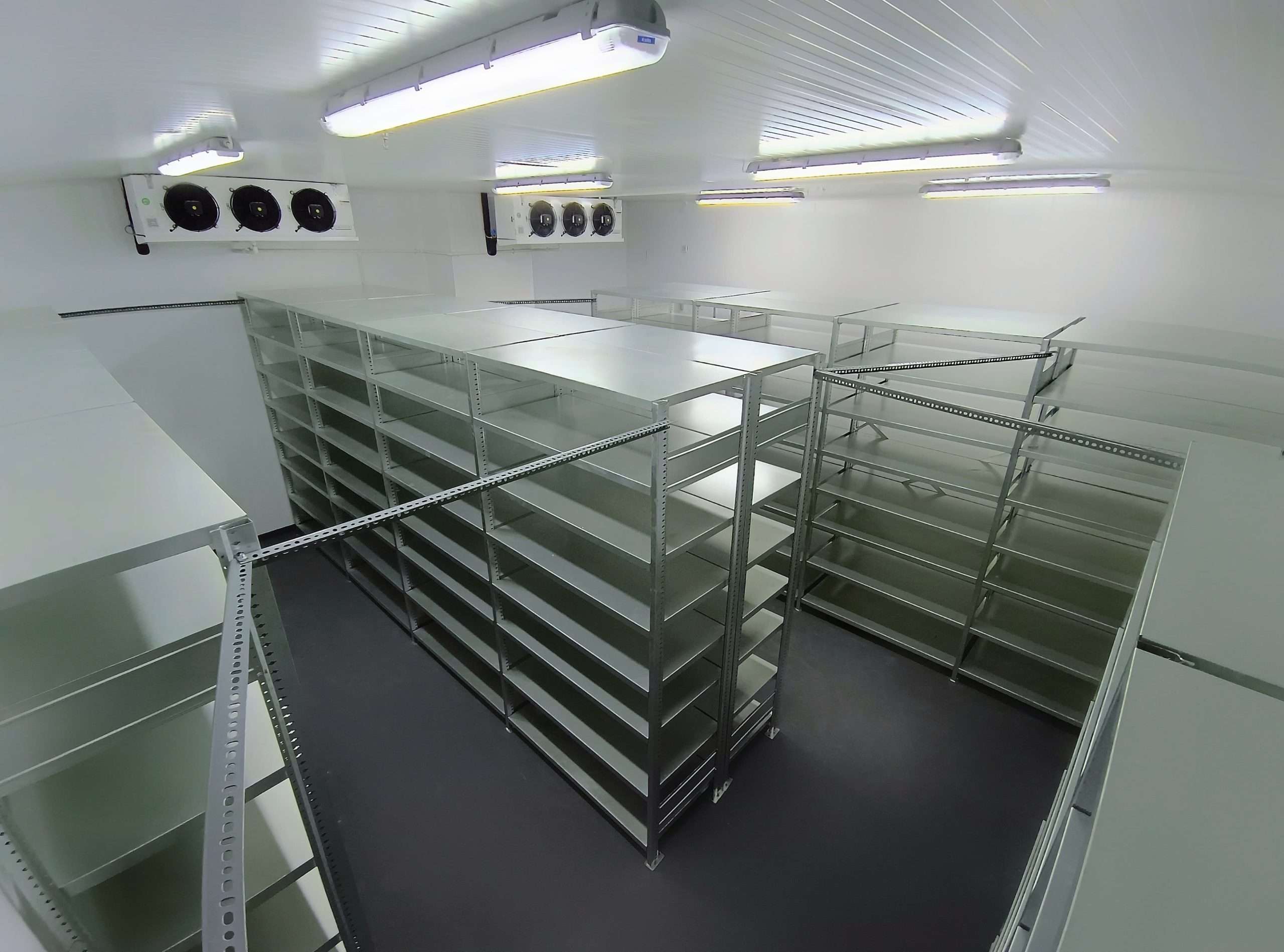
 Understanding the Backbone of Modern Refrigeration – by Snowland
In today’s fast-paced world, where food safety, pharmaceutical preservation, and industrial storage demand precision, cold rooms play an essential role. From restaurants and supermarkets to hospitals and logistics companies, cold rooms ensure products remain fresh, potent, and safe for consumption. Lets discover What is a Cold Room?
In this detailed guide, we’ll explore what a cold room is, how it works, its types, benefits, components, and why Snowland is a trusted name in manufacturing high-performance cold rooms in the UAE and beyond.
Introduction to Cold Rooms
A cold room is a temperature-controlled storage space designed to maintain specific environmental conditions to preserve perishable goods. It functions as a large-scale refrigerator, offering a stable and controlled climate—typically between +15°C to -40°C, depending on the application.
Cold rooms are used extensively across industries such as food & beverage, pharmaceuticals, hospitality, floriculture, and logistics. They help extend the shelf life of products, prevent spoilage, and ensure compliance with international quality standards.
At Snowland, we specialize in designing and manufacturing custom-built cold rooms tailored to client needs—whether it’s a walk-in chiller, walk-in freezer, or industrial cold storage system.
How Does a Cold Room Work?
Cold rooms work on the principle of heat exchange and insulation. The system extracts heat from the stored items and maintains a low temperature through refrigeration cycles.
Here’s a step-by-step breakdown of how it functions:
- Refrigeration Unit – The compressor compresses refrigerant gas, increasing its pressure and temperature.
- Condenser – The hot gas passes through coils where it releases heat to the environment and condenses into liquid form.
- Expansion Valve – The high-pressure liquid passes through the expansion valve, dropping its temperature and pressure.
- Evaporator – The refrigerant absorbs heat from inside the cold room, turning into gas again and cooling the air.
- Insulated Panels – Polyurethane (PUF) or polystyrene panels prevent outside heat from entering, ensuring energy efficiency.
- Temperature Control System – A thermostat and controller regulate internal conditions automatically.
At Snowland, our systems are equipped with energy-efficient compressors, digital temperature controls, and advanced insulation technology, ensuring reliable performance even in high ambient temperatures common in the UAE.
Types of Cold Rooms
Cold rooms come in various types based on temperature, design, and purpose. Let’s look at the most common categories:
- Chiller Rooms
- Temperature range: +2°C to +15°C
- Used for storing fruits, vegetables, dairy products, and beverages.
- Maintains freshness without freezing the product.
- Snowland’s walk-in chiller rooms are ideal for restaurants, hotels, and supermarkets.
- Freezer Rooms
- Temperature range: -15°C to -40°C
- Suitable for meat, seafood, and frozen food storage.
- Prevents bacterial growth and preserves nutritional value.
- Snowland’s walk-in freezer rooms are known for consistent temperature control and energy savings.
- Blast Freezers / Blast Chillers
- Rapidly reduce food temperature to prevent bacterial growth.
- Common in food processing industries.
- Snowland provides custom blast chillers for bakeries, catering, and frozen food manufacturers.
- Modular Cold Rooms
- Prefabricated and easy to install.
- Flexible design allows quick assembly or relocation.
- Perfect for businesses with evolving storage needs.
- Pharmaceutical Cold Rooms
- Maintain precise temperature and humidity for vaccines, medicines, and lab samples.
- Equipped with data loggers and alarms for compliance monitoring.
- Snowland’s pharma cold rooms meet WHO and GMP standards.
- Solar and Hybrid Cold Rooms
- Operate on solar power or hybrid systems to save energy.
- Ideal for remote areas with limited power access.
- Snowland’s solar cold rooms are sustainable, cost-efficient, and environment-friendly.
Key Components of a Cold Room
A well-designed cold room includes several vital components working together to ensure optimum performance:
| Component | Function |
| Insulated Panels | Maintain consistent temperature and prevent heat leakage. |
| Refrigeration Unit | Core component for cooling; includes compressor, condenser, and evaporator. |
| Doors and Air Curtains | Provide airtight sealing and minimize warm air infiltration. |
| Temperature Controller | Regulates and monitors the internal temperature. |
| Lighting System | Specialized cold room lighting that operates efficiently in low temperatures. |
| Shelving and Racks | Optimize storage space and organization. |
| Alarm & Monitoring Systems | Provide alerts in case of temperature deviations or system faults. |
At Snowland, every cold room is designed with high-grade materials, advanced control systems, and custom insulation thickness, ensuring durability and operational reliability.
Applications of Cold Rooms
Cold rooms are indispensable across multiple industries. Below are some key applications:
- Food Industry
Used for storing fresh produce, dairy, meat, and beverages to prevent spoilage and maintain flavor.
- Hospitality Sector
Hotels, restaurants, and catering services use walk-in chillers and freezers to manage large inventories efficiently.
- Pharmaceuticals
Cold rooms preserve vaccines, medicines, and biological samples under controlled conditions.
- Logistics & Warehousing
Cold chain logistics rely on cold rooms for intermediate storage during transportation.
- Agriculture & Floriculture
Helps farmers and exporters extend the shelf life of flowers, fruits, and vegetables.
- Chemical Industry
Stores sensitive materials requiring specific temperature environments.
With decades of expertise, Snowland provides customized cold storage solutions for every sector—ensuring quality, performance, and cost efficiency.
Benefits of a Cold Room
Installing a cold room offers numerous benefits beyond basic cooling:
- Extended Shelf Life – Reduces spoilage and wastage of perishable goods.
- Energy Efficiency – Modern insulation and efficient compressors reduce power consumption.
- Flexible Storage – Adjustable shelving and modular layouts suit various product sizes.
- Temperature Precision – Digital controls maintain consistent climate conditions.
- Hygienic Storage – Built with easy-to-clean, food-safe materials.
- Cost-Effective Operations – Long-term savings through energy-efficient systems.
- Compliance Ready – Meets HACCP, WHO, and international storage standards.
Why Choose Snowland Cold Rooms?
Snowland has emerged as a trusted cold room manufacturer and supplier in the UAE, known for delivering quality, reliability, and innovation.
Here’s what makes Snowland stand out:
- Customized Design: Tailor-made cold rooms to match your space and operational requirements.
- Advanced Technology: Use of energy-efficient compressors and eco-friendly refrigerants.
- Durable Construction: Long-lasting insulated panels resistant to corrosion and moisture.
- Comprehensive Service: Design, installation, and maintenance under one roof.
- 24/7 Technical Support: Expert service team ready to assist anytime.
- Sustainability Focus: Solar and hybrid options for energy savings.
When you choose Snowland, you’re investing in performance, reliability, and peace of mind.
Maintenance Tips for Cold Rooms
Proper maintenance is key to ensuring the longevity and efficiency of a cold room. Follow these essential tips:
- Inspect Door Seals Regularly – Ensure airtight sealing to prevent air leakage.
- Clean Coils and Filters – Keep evaporator and condenser coils clean for better heat exchange.
- Monitor Temperature – Regularly check and record temperature settings.
- Schedule Professional Servicing – Snowland’s service team provides preventive maintenance and quick repairs.
- Defrost Periodically – Prevent ice build-up for optimal performance.
Future Trends in Cold Room Technology
With rapid advancements in refrigeration, cold rooms are becoming smarter and more efficient. Some key trends include:
- IoT-enabled Temperature Monitoring
- AI-driven Predictive Maintenance
- Energy Recovery Systems
- Eco-friendly Refrigerants (R-290, CO₂, etc.)
- Solar-powered and Hybrid Systems
Snowland continues to adopt these innovations to deliver next-generation cold storage solutions for sustainable industries.


